When it comes to selecting cannabis, quality matters not only for the experience but also for safety. Identifying premium cannabis requires attention to detail and an understanding of key characteristics that differentiate high-quality products from subpar ones. Below are some essential tips to help you evaluate cannabis effectively.
1. Evaluate the Appearance
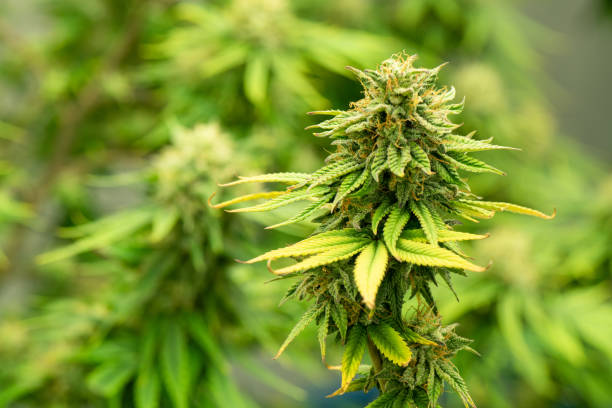
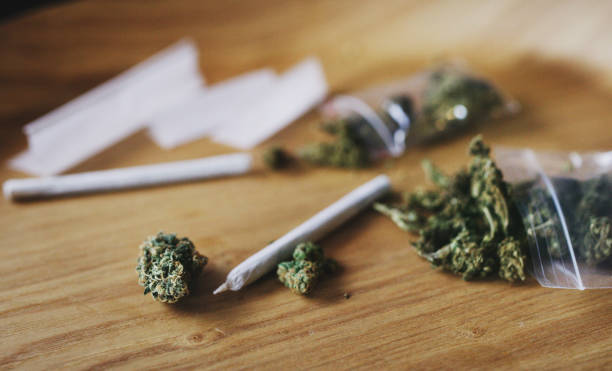
- Color: High-quality cannabis typically features vibrant shades of green, ranging from light lime tones to deeper forest hues. Some strains may also exhibit touches of purple, orange, or red due to their genetics.
- Trichomes: Look for a frosty coating of trichomes (tiny resin glands). These crystalline structures are where cannabinoids and terpenes are concentrated.
- Absence of Contaminants: Avoid buds that have visible signs of mold, mildew, or unusual discoloration like brown spots.
| Attribute | Indicators of High Quality | Signs of Poor Quality |
| Color | Green with vibrant accents | Yellowish or brown hues |
| Trichomes | Frosty and densely packed | Sparse or absent |
| Contaminants | Clean with no visible issues | Mold, mildew, or insect damage |
2. Examine the Aroma
A strong and pleasant aroma is often a hallmark of premium cannabis. This scent is derived from terpenes—organic compounds responsible for the plant’s flavor and fragrance profile.
- Rich Terpene Profile: Quality cannabis should emit a pungent, distinct smell that matches its strain type (e.g., citrusy, earthy, sweet).
- Avoid Odorless Buds: If a bud has little to no smell or an unpleasant chemical-like odor, it may indicate poor quality or improper storage.
3. Assess the Texture
- Sticky but not wet when touched.
- Well-trimmed with minimal stems.
- Overly dry flowers that crumble too easily.
- Damp buds that feel spongy could promote mold growth.
| Factor | Premium Cannabis | Poor Quality Cannabis |
| Moisture Content | Sticky but slightly dry | Too dry or excessively damp |
| Trim | Neatly trimmed | Leafy and unrefined trim |
4. Ask About Lab Testing
- THC/CBD Levels: Verify cannabinoid potency levels match your expectations and preferences.
- Purity Tests: Ensure there are no traces of pesticides, heavy metals, or other harmful contaminants.
Many reputable dispensaries provide Certificates of Analysis (COAs) upon request as proof of testing.
5. Trust Your Source
- Purchase from licensed dispensaries with positive reviews.
- Avoid black-market products where both safety and quality controls are unpredictable.
By following these tips when evaluating your next purchase, you can ensure a safer and more enjoyable experience with cannabis.
How to Tell If Your Park Slope Dispensary Cannabis Is High-Quality and Safe
Identifying high-quality and safe cannabis is crucial for ensuring the best experience and avoiding potential risks. Whether you’re a seasoned consumer or new to cannabis, understanding the key indicators of quality and safety will help you make informed decisions. Below are essential factors to consider when evaluating your cannabis.
Exploring the Importance of Appearance at a Park Slope Weed Store
- Color: High-quality cannabis often has vibrant shades of green, with hints of purples, oranges, or other hues depending on the strain. Avoid products that appear brown or yellowish, as these may indicate age or poor storage.
- Trichomes: Trichomes are the tiny crystal-like structures on the surface of cannabis buds. They contain cannabinoids and terpenes that determine potency, flavor, and aroma. A frosty layer of trichomes is a strong indicator of quality.
- Absence of Seeds and Stems: Premium cannabis should have minimal seeds and stems. Excessive stems can dilute the product, while seeds may indicate lower cultivation standards.
Exploring the Aromatic Profile of a Park Slope Cannabis Shop
- Pungency: High-quality buds typically emit a strong, pleasant aroma due to their terpene profile.
- For example:
- Fruity strains might smell sweet or citrusy.
- Earthy strains may have woody or herbal notes.
- Off-putting Odors: A musty or overly dry smell could indicate mold growth or old stock.
Texture Matters: Evaluating Moisture Content
- Sticky Yet Dry Buds: Premium buds should feel slightly sticky from their resin glands but not excessively wet. Overly moist cannabis is prone to mold.
- Avoid Dryness: If the bud crumbles easily when handled, it may be too old or improperly stored.
Key Safety Checks
| Contaminant Type | Signs to Watch For |
| Mold | White powdery spots, fuzzy growths |
| Pesticides | Difficult to spot visually—buy from reputable sources that conduct third-party lab testing |
| Residual Solvents | Found in concentrates; ensure lab-tested products clearly state they are solvent-free |
Always purchase from licensed dispensaries where safety regulations are followed, including proper labeling with cannabinoid content (e.g., THC/CBD levels) and third-party test results.
Choosing Trusted Sources
To ensure both quality and safety: 1. Opt for licensed dispensaries over unregulated sellers. 2. Request lab analyses when available; look for information on potency as well as contaminant screening. 3. Avoid products with vague labels or lack of transparency regarding production methods.
By paying attention to these factors—appearance, aroma, texture, and source credibility—you’ll be better equipped to identify cannabis that meets high standards while safeguarding your health.
Key Factors to Assess Cannabis: Color, Aroma, and Texture
When assessing cannabis quality, its visual appearance, smell, and feel are critical indicators. These factors can help you determine whether the product is fresh, potent, and properly cultivated. Below is a comprehensive guide to understanding how color, aroma, and texture contribute to the evaluation of high-quality cannabis.
1. Color
The color of cannabis is one of the first things you’ll notice. High-quality cannabis typically exhibits vibrant hues that indicate freshness and proper cultivation.
- Healthy Green Shades: Premium cannabis buds often range from light to dark green. Some strains may showcase hints of purple or orange due to genetics or growing conditions.
- Trichomes (Crystals): A frosty or sparkly appearance on the buds usually signifies a high concentration of trichomes, which are glandular structures that produce cannabinoids like THC and CBD.
- Avoid Brownish Tones: Brown or yellowing buds may indicate age, improper storage, or inadequate cultivation practices.
| Color Indicator | Quality Assessment |
| Bright green with accents (e.g., purple) | Typically high-quality |
| Dull brownish-green | Likely low-quality or old product |
| Frosty trichome coating | Indicates high cannabinoid content |
2. Aroma
The smell of cannabis reveals a lot about its terpene profile and overall quality. Terpenes not only contribute to aroma but can also enhance effects through their interaction with cannabinoids.
- Strong Terpene Profile: High-quality cannabis should have a pungent fragrance that aligns with its strain type. For example:
- Citrus or fruity notes for sativa strains
- Earthy or piney undertones for indica strains
- Freshness: A fresh and distinct aroma indicates proper curing processes.
- Avoid Off-Smells: Musty or moldy odors can be signs of contamination from improper storage or growth conditions.
3. Texture
The texture and feel of cannabis are important indicators of how well it was dried and cured after harvest.
- Sticky but Not Wet: Good-quality buds should be slightly sticky due to resinous trichomes but never wet.
- Well-Cured Buds: The flowers should break apart easily without feeling overly dry or crumbly.
- Avoid Overly Dry Cannabis: If the product turns into dust when handled, it may have been improperly dried or stored for too long.
- No Excess Stems/Seeds: Quality cannabis contains dense flower material with minimal stems and no seeds.
| Texture Indicator | What It Means |
| Sticky yet firm | Proper curing; good resin levels |
| Overly dry/crumbling | Likely old; poor storage |
| Damp/moist | Improper drying; risk of mold |
Final Notes on Evaluating Cannabis
By carefully examining color, aroma, and texture together, you can gain a well-rounded understanding of the product’s quality. These factors not only influence your enjoyment but also ensure safety and effectiveness when consuming cannabis products responsibly. Always prioritize reputable sources when purchasing to guarantee high standards in cultivation, processing, and storage practices.
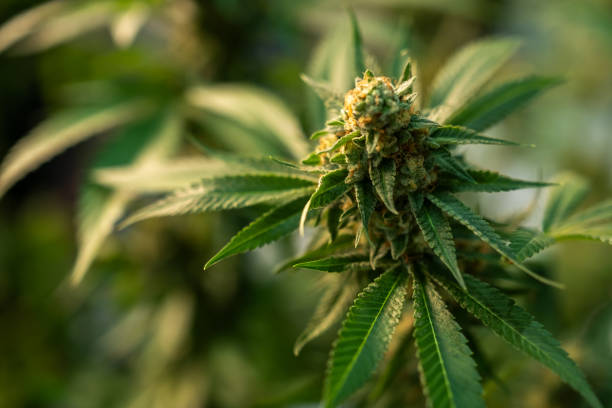
Understanding the Importance of Proper Curing in Cannabis Quality
Proper curing is a critical step in the production of high-quality cannabis. It directly impacts the product’s potency, flavor, aroma, and overall safety for consumption. Unfortunately, many consumers overlook this essential process when evaluating cannabis quality. Below is an in-depth exploration of why curing is vital and what it entails.
What Is Cannabis Curing?
Curing is the process that comes after drying cannabis but before it reaches dispensary shelves. During this stage, freshly harvested cannabis flowers are carefully stored to allow residual moisture to evaporate slowly while protecting terpenes and cannabinoids from degradation. The goal is to improve the overall quality of the product through controlled conditions.
Key points about cannabis curing:
– Occurs after initial drying but before consumption or sale.
– Involves storing buds in an environment with controlled temperature and humidity levels.
– Optimizes cannabinoid development and terpene preservation.
Why Proper Curing Matters
- Cannabinoids such as THC and CBD are sensitive to heat, light, and humidity fluctuations. Improper curing can result in their degradation, diminishing potency over time.
- Terpenes contribute to cannabis’s unique aroma and flavor profile, but they are highly volatile compounds that can evaporate quickly if not handled carefully during curing.
- Properly cured cannabis loses its harsh “grassy” or “hay-like” smell common in poorly dried flower while showcasing a richer aroma true to its strain genetics.
- Well-cured buds burn evenly and smoothly because excess moisture has been gradually removed without overdrying the plant material.
- Incorrect humidity levels during storage can create conditions for mold or mildew growth on buds, making them unsafe for consumption.
The Curing Process Step-by-Step
| Step | Description | Ideal Conditions |
| Drying | Trimmed flowers are hung upside down or laid flat to dry systematically | 45–55% relative humidity; 60°F–70°F |
| Jar Storage | Buds are placed into airtight containers (e.g., glass jars) for curing | 55–62% relative humidity; dark environment |
| Burping | Jars are opened periodically (daily at first) to release excess air/moisture | Gradually reduced frequency over weeks |
| Monitoring | Humidity packs may be added to jars if needed | Consistent monitoring ensures stability |
Signs of Properly Cured Cannabis
- Smell: A strong yet natural aroma reflective of the strain’s profile (e.g., citrusy, earthy). No musty or ammonia-like odors should be present.
- Texture: Buds feel slightly sticky yet firm; they should not crumble too easily nor feel overly damp.
- Burn Quality: When smoked or vaporized, properly cured flower burns evenly without producing excessive harshness or coughing reactions.
- Appearance: Rich coloration with intact trichomes visible under magnification indicates careful handling throughout harvesting and curing cycles.
Properly cured cannabis not only delivers an elevated sensory experience but also ensures a safer product for consumption by minimizing contaminants such as mold or bacteria often found in inadequately processed buds.
By understanding the importance of this stage in production, both growers and consumers can better appreciate what truly sets premium-quality cannabis apart from lower-grade alternatives.
Understanding the Importance of Proper Curing in Cannabis Quality
Proper curing is a critical step in the post-harvest process of cannabis production. It involves carefully controlling environmental conditions, such as humidity and temperature, to enhance the quality, potency, and overall experience of the product. When cannabis is not cured correctly, it can lead to diminished effects, poor flavor, and even potential health risks. Below are key aspects to understanding why proper curing matters.
What Is Cannabis Curing?
Curing begins after the initial drying stage when moisture levels in harvested cannabis flowers are reduced to avoid mold or mildew. This post-drying process further allows cannabinoids (like THC and CBD) and terpenes (the compounds responsible for flavor and aroma) to develop fully. Proper curing typically lasts from two weeks to a month but can extend longer depending on preference.
Benefits of Properly Cured Cannabis
- The curing process helps preserve cannabinoids over time by slowing down the degradation of THC into less potent compounds like CBN (cannabinol).
- Cannabinoids are more efficiently activated during combustion or vaping when curing is done appropriately.
- Terpenes are highly volatile and prone to evaporation during improper storage or drying techniques.
- A well-cured flower retains its natural terpene profile, enhancing its distinctive scent and taste.
- Poorly cured cannabis may retain excessive chlorophyll or sugars leading to harsh smoke that irritates the throat or lungs.
- Properly cured buds provide a smoother inhalation experience due to balanced moisture content.
- Adequate curing reduces residual moisture that could encourage mold growth over time.
- It also stabilizes the buds chemically, allowing them to retain their quality for months when stored properly.
Key Factors in Effective Curing
| Element | Optimal Levels | Notes |
| Humidity | 55%-65% | Prevents over-drying or mold growth |
| Temperature | 60°F-70°F (15°C-21°C) | Avoids terpene loss from heat |
| Light Exposure | Minimal | UV light degrades cannabinoids |
| Airflow | Gentle ventilation | Prevents stale air |
Signs of Improper Curing
- A grassy or hay-like smell indicates excessive chlorophyll retention due to improper drying before curing.
- Brittle buds that crumble too easily may have lost too much moisture.
- Sticky or excessively moist flowers could be prone to mold development.
- Dull colors might suggest degradation of terpenes and cannabinoids.
Proper curing affects every aspect of cannabis quality — from potency and aroma to shelf stability and user experience. Understanding this process can help consumers make informed decisions about their purchases while ensuring cultivators maintain industry standards for premium products.
- Exploring the Best Cannabis Products at a Park Slope Weed Store
- How to Choose Quality Cannabis at a Park Slope Marijuana Dispensary
- Exploring Cannabis Highs: What to Expect from Flower, Concentrates, and Edibles at a Park Slope Marijuana Dispensary
- A Comprehensive Guide to Choosing Quality Cannabis at a Park Slope Dispensary
- A Comprehensive Guide to Finding Quality Cannabis at a Park Slope Marijuana Dispensary
- Exploring the Wide Range of Products at a Park Slope Dispensary
- How to Spot High-Quality Products at a Park Slope Marijuana Dispensary
- Tips for Finding Premium Cannabis at a Park Slope Dispensary